
Learning Routine for Kids: The Power of Structure
As parents, we constantly seek effective strategies to boost our children’s academic journeys. Fortunately, one practice consistently stands out as the ultimate foundation for success: establishing a consistent learning routine for kids. Whether your child is currently navigating the early years of primary school or tackling the demanding stages of secondary education, a structured approach to studying, homework, and revision can deeply impact their development. Furthermore, instilling good study habits and honing time management skills can significantly reduce daily stress for the whole family.
But why exactly are these schedules so crucial, and how can you implement them without the daily battles? Let’s explore the proven benefits and practical steps.
Why a Consistent Learning Routine for Kids is Vital
A predictable routine is not just about micro-managing a calendar; rather, it is about empowering your child with essential life skills and a sense of calm.
Mastering Time Management for a Learning Routine for Kids
First and foremost, a regular study schedule teaches children how to allocate their time wisely. Knowing exactly when it is time for focused work—and when it is time to unwind—helps them balance tasks and effortlessly sidestep the pitfalls of procrastination. Consequently, for older students managing multiple subjects and exam deadlines, this structured approach becomes invaluable for staying organised and on track.
Battling Exam Stress and Boosting Confidence
Because the unknown often breeds anxiety, a predictable schedule actively eliminates the stress of last-minute cramming. In addition, it creates a sense of control that prevents missed deadlines. Children benefit immensely from knowing exactly when study happens and when breaks are permitted. Ultimately, this proactive strategy replaces panic with preparedness, fostering true academic confidence.
Cultivating Lasting Study Habits
Consistency gradually transforms study time into a regular, non-negotiable part of daily life. For instance, younger children thrive with short, frequent sessions, while older students benefit from longer, focused blocks.
By dedicating consistent time to learning, children naturally understand that sustained effort yields results. For expert guidance on managing early educational transitions and schedules seamlessly, the BBC Bitesize Parents’ Toolkit offers fantastic structural resources.
(Insert Image 1 here with Alt Text: Colorful repeating circles representing a consistent learning routine for kids)
Laying down these clear, repetitive blocks ensures that studying becomes a habit rather than an ongoing argument. This practice isn’t just about finishing tonight’s homework; it is about embedding a disciplined approach to learning that lasts a lifetime.
Laying the Bedrock for Future Academic Success
The positive habits forged during the primary school years serve as the literal bedrock for success in secondary school and far beyond. Therefore, early establishment of a schedule helps children develop self-discipline, personal responsibility, and organizational skills. These are vital life skills that equip them for future opportunities.
Steps to Building a Learning Routine for Kids
Building an effective routine does not have to feel like a constant battle. On the contrary, it should be a collaborative effort between you and your child.
1. Collaborative Schedule Creation
To begin with, involve your child in designing their study schedule. You can ask them when they feel most focused—whether that is immediately after school or perhaps later in the evening. Additionally, tailor the study blocks to their age: shorter sessions for younger children, and longer periods with scheduled breaks for older students. This direct involvement builds a powerful sense of ownership.
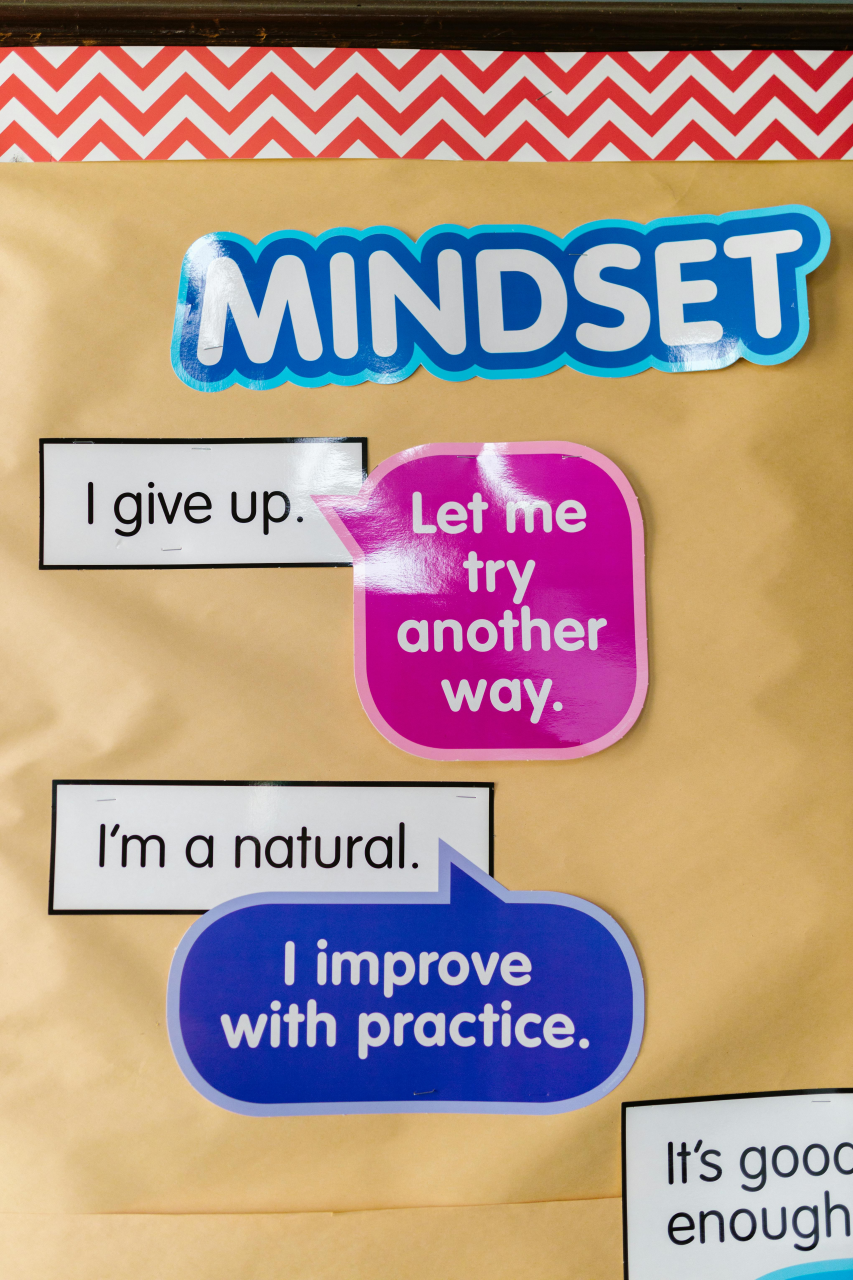
(Insert Image 2 here with Alt Text: A mindset bulletin board supporting a structured learning routine for kids)
2. The Power of a Dedicated Study Space
A quiet, organised study area that is completely free from distractions is crucial for concentration. This could be a designated learning corner for a primary child or a well-equipped desk for a secondary student. Ensure the space is well-lit, comfortable, and fully stocked with necessary supplies to promote deep focus.
3. Chunking Down Large Tasks
Large assignments can quickly overwhelm children of any age. To prevent this, help them break down homework or revision into smaller, manageable steps. Instead of giving a daunting instruction like “finish your essay,” guide them to “complete the introduction today” or “revise chapter one.”
4. Strategic Breaks are Vital
Regular breaks are absolutely vital for sustaining focus and preventing burnout. For younger children, incorporate short 5–10 minute breaks after every 20–30 minutes of study. For older students, techniques like the Pomodoro method (25 minutes of study followed by a 5-minute break) work beautifully to keep the mind refreshed and productive.
If you would like hands-on support in designing a personalized learning schedule or boosting your child’s core curriculum confidence, explore our tailored online Maths and English tutoring programs or get in touch to book a strategy session. Every child can thrive academically when backed by the right structure!