
Year 6 SATs Support: A Parent’s Guide to Success
SATs season is approaching, and if you’re the parent of a Year 6 child, you likely have plenty of questions. What exactly are the tests? How do examiners mark them? And how can you provide the right Year 6 SATs support without adding to the pressure your child already feels at school?
As an experienced 11+ and SATs tutor, I know that clarity is the best way to reduce anxiety. This guide answers your questions calmly and clearly.
What to Expect and How to Provide Year 6 SATs Support
Year 6 pupils across England take national SATs (Standard Assessment Tests) to measure their progress at the end of Key Stage 2. If you are planning your calendar, the KS2 SATs 2026 dates run from Monday 11th May to Thursday 14th May 2026.
The tests span four mornings and cover three core areas:
Reading: A 60-minute paper involving three texts of increasing difficulty.
Grammar, Punctuation and Spelling (GPS): A 45-minute written paper and a separate 20-word spelling test.
Maths: Three papers in total—one Arithmetic paper focusing on fluency, and two Reasoning papers requiring problem-solving skills.
Schools do not use a formal exam to test Writing; instead, teachers assess this skill through classroom work throughout the year. External examiners mark all SATs papers to ensure consistency across the country. To explore the exam layouts further, you can read the official Gov.uk Key Stage 2 Parent Guide.
Interpreting Scaled Test Scores and Year 6 SATs Support
The official results show “scaled scores” ranging from 80 to 120.
100: This represents the “expected standard” for a Year 6 child.
110+: This indicates a child is “working at greater depth.”
Below 100: This suggests a child is still “working towards” the expected standard.
Primary schools share these scores with secondary schools in July. This data helps Year 7 teachers understand your child’s starting point during the transition.
Practical Ways to Provide Year 6 SATs Support at Home
A calm and encouraging home environment serves as the most valuable Year 6 SATs support you can provide. Try these three simple strategies to help your child thrive:
1. Prioritise Reading for Pleasure
Encourage your child to read books they actually enjoy every day. Daily reading builds natural comprehension skills far more effectively than repetitive revision sheets.
2. Stick to Healthy Daily Routines
During the exam week in May, give your child plenty of sleep and a nutritious breakfast. A well-rested brain performs significantly better.
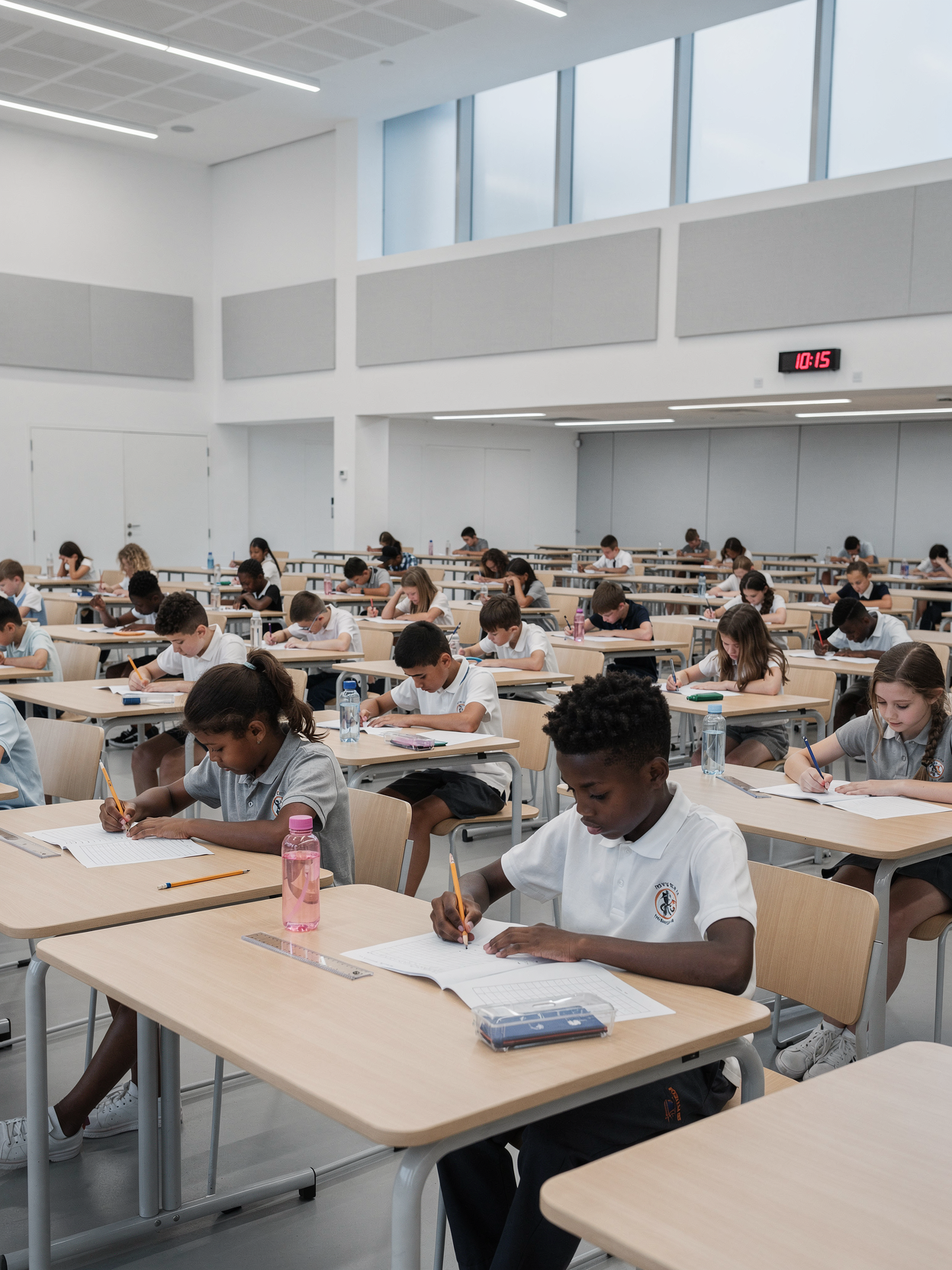
(Insert your Exam Hall Image here with Alt Text: Students sitting at desks in a quiet exam room highlighting the need for Year 6 SATs support)
3. Keep it Light and Positive with Year 6 SATs Support
When you revise together, use engaging, low-pressure tools like BBC Bitesize. Your confidence protects them—when you stay calm, your child matches your positive energy.
Final Thoughts on Moving Forward
SATs offer a helpful snapshot of where your child stands at the end of primary school, but they do not define your child’s intelligence, potential, or future success. Effort and resilience matter far more than a single score.
Do you need expert guidance? If you want professional, stress-free preparation in the lead-up to May, I provide tailored Year 6 SATs support. My specialist tutoring builds both academic competence and emotional confidence.
Preparing for primary assessments can feel overwhelming. Download our free Parent’s Guide to SATs to help your child prepare calmly, or book your complimentary 30-minute strategy session with me today, and let’s help your child feel prepared, not pressured!